Zodiac Gallop

Volume I · Folio 01

MMV–MMXXVI · Noida, India
Bombay · Bangalore · Pune · Dubai · Newmarket · Kentucky

— Equine Astrology · Practising Since MMV —

Champions are not discovered.
They are foretold.

A horse's birth chart is set the moment he is foaled. We read it. Bloodline tells you where the horse came from. The chart tells you whether he can win.

3,00,000+

Thoroughbreds studied since 2004

20+

Years of practice · Vedic & Western

1·of·1

The only racehorse astrologer of his kind

— Chapter I —

The awakening.

Mahalaxmi · February 2004

He had gone to Mumbai to study film stars. He came home with a different obsession entirely.

The training came first. Two diplomas at the Indian Council of Astrological Sciences in Gurugram, Jyotish Praveen and Jyotish Visharad. Then research at Bharatiya Vidya Bhavan in Delhi, under K.N. Rao. The first subject was not horses at all. It was the film industry. He wanted to understand why some people make it in Bombay and others spend a lifetime trying. He moved there with about ₹5,000 in his pocket and shared a room with three other men in Andheri East. The data he needed never came.

Seven, eight months into the wait, his roommates told him they were taking him somewhere different. A Sunday in February 2004. They didn't say where. They took him to Mahalaxmi Racecourse. It happened to be Derby Day at the RWITC. By the third race he had stopped looking at the crowd and started looking at the paddock. The well-bred horses, the strong-looking ones, kept losing. Normal-built horses kept winning. He went home and over the next year he turned his whole research toward racehorses. A human chart runs a hundred years. A thoroughbred's racing life runs two years to six. He could prove or fail in one season.

"Even a crooked-looking horse can become a champion. I picked two from the trash and proved it."

— Sudheer Chauhan, on his first two horses

The first proofs came through the trainers. Neena Lalwani and Subhash Singh both gave him lists of rejected colts that no owner wanted. He read the charts and asked for two. He renamed one of them. Between them, those two horses won fourteen races and placed eighteen more times. He called the method the HAT Theory. Horse Astro Technique.

§ II.01 — The Thesis

A horse's birth chart is the difference between ordinary and immortal.

Zodiac Gallop reads horses for stud farms, for owners, and for trainers who want a real chance at a derby. The work is half astrology and half horsemanship. We don't sell speed or luck. We sell a reading, and we give it to you long before the horse first runs.

Every animal is shaped by the time and place it is born, and a racehorse is no different. By reading the planetary positions for the exact moment a horse is foaled, we can see traits that bloodline does not show and that training cannot put in.

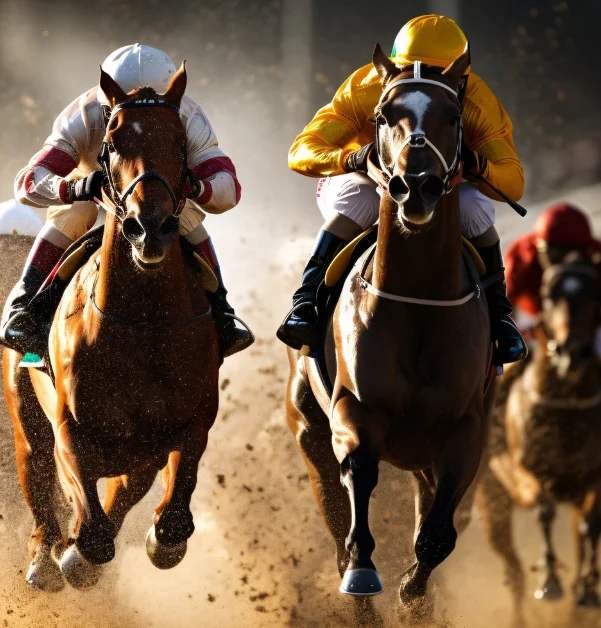
A thoroughbred at dawn, under the early zodiac sky
Fig. 01 — The First Breath

— Chapter III —

SUN · LEO MOON · SCORPIO MARS · DRIVE JUPITER · ENDURANCE

Trait Marker

Natural Drive

Governed by Mars · 28°11′

Trait Marker

Race-Day Resilience

Ruled by Saturn · 12°04′

§ III.01 — The Power of the Stars

What the chart can show you, what bloodline cannot.

The reading goes through four sets of traits. They sit in the chart at birth. They don't always show up in the bloodline. They are the difference between a horse that runs and a horse that wins.

The Four Inheritances

01

Drive & Competitive Spirit

Read mostly through Mars and the first house. The horse that refuses to settle in the home stretch.

02

Speed and Endurance Together

Mercury for speed, Jupiter for the long distance. When both sit well, the horse can race at both lengths.

03

Temperament under Pressure

Mostly the Moon. Whether the horse stays calm at the gate or loses the race before the bell.

04

Trainability and Race-Day Form

Saturn shows whether he takes the work. Venus shows whether he shows up on the day. The reading sees both.

— Chapter IV —

How a reading works

The steps are simple. What is rare is the reader. Twenty years of looking at race records and birth charts side by side.

Submission

Send the horse's birth details

Three pieces of information. Without them the chart cannot be cast.

  • i. Date of birth
  • ii. Place of birth
  • iii. Exact time of foaling

Analysis & Report

The reading comes back

The horse's strengths and weaknesses. The age windows where he is likely to peak. The weaknesses to plan around. A year-by-year view of his career.

Typical deliverable

A bound report. Birth-chart wheel and aspect table. Performance projection covering the racing years, broken down month by month for the next twelve.

— Chapter V —

The commissions

Three ways the work is engaged. Pick the one that fits the horse you're trying to read.

№ ZG — 001 / A

Horse Birth Chart Analysis

A full reading on a single horse. You send the birth details. You get back the chart, the temperament, where the horse will perform, and where he won't. Most clients commission this on a yearling before the first season of training begins.

Commission a reading

№ ZG — 002 / B

Race Prediction & Consultation

A thoroughbred peaks around four and a half years. Before that, every year matters. After it, the decline starts. We consult on when to run a particular horse, when to rest him, and which races are worth entering. Useful before a major Indian race or before sending a horse abroad.

Book consultation

№ ZG — 003 / C

Performance Analysis Reports

A long view. Ten years out, year by year, with month-by-month detail where it matters. Which seasons to train hard, which to rest, which months a horse is likely to win, which months he probably won't show up. Used by stables managing groups of horses across multiple owners.

Request report

— Chapter VI —

HAT Theory — Horse Astro Technique
Fig. 02 — The HAT Principle

§ VI.01 — The Horse Astro Technique

The framework, in his own words.

"Give me a list of 100 or 200 horses with their dates of birth. I will identify two, three, maybe five of them. Only those will be the well-performing horses. The rest will not perform."

— Sudheer Chauhan, on what HAT does

The method came out of about four years of calibration starting in 2004, using Parashari, Jaimini and Ashtakavarga against thousands of real race records. Over the next two decades it has been tested against more than 300,000 thoroughbreds worldwide. The work it does is selection. From a stud farm's batch of fifty or five hundred yearlings, the chart names the few who can actually win. The rest will run, but they won't win.

XX+

Years of study

II

Traditions — Vedic & Western

IV

Core inheritances read

I

Proprietary framework

— Chapter VII —

A roll of names.

Three horses, all of them rejected by their first owners. All three picked from those rejection lists on chart alone. The numbers below are not estimates. They are the founder's own count, given publicly on record.

Record № I · 2007

Mumbai · RWITC

The Horse

Laurus Pride

Originally Rapidi. From the Dhanji Boy stable. Rejected.

9

Race wins

I

First HAT proof

The first horse Sudheer bought himself. The trainer's list said he was a reject. The chart said otherwise. He renamed him Laurus Pride and the colt won nine races in his career.

Record № II · 2007

Mumbai · RWITC

The Horse

Titian

From trainer Neena Lalwani. Rejected. Bought on the chart.

5

Race wins

13+

Placings (combined w/ Laurus Pride)

The second horse. Five wins of his own. Between him and Laurus Pride, eighteen-plus placings on the board. Both came from stables that wanted nothing more to do with them.

Record № III · 2008

Pune Stud Farm

The Horse

Jorawar

Picked from 35 to 40 yearlings of a bloodline year.

5–6

Race wins

№ 1

Of his bloodline cohort

A Pune stud farm's manager believed certain horses were the picks of the year. Sudheer read the charts and picked one of the rejects from the same batch. That horse won five or six races and finished the year as the best performer of his bloodline. The method had worked on someone else's stable.

Source. Recounted on record by Sudheer Chauhan during his interview with Sarvesh Mishra. The names, the years, and the counts are taken from his own words.

Watch the interview

Today's clients work with Sudheer under privacy. Their names are not displayed publicly. References are available on private request from racing families across Mumbai, Bangalore, Pune, Dubai, Newmarket and Kentucky.

— Chapter VIII —

Why stables keep coming back.

i.

Two traditions, one reader

Twenty years of Vedic astrology training paired with twenty years inside Indian and international race clubs. The reading is done by the same person every time.

ii.

One horse at a time

No template charts. Every reading is cast from that animal's own birth time and place. Two horses born twenty minutes apart will receive different reports.

iii.

Calibrated against real outcomes

The HAT framework has been compared against more than 300,000 thoroughbred birth records and their actual race results, in India and abroad. Champions and also-rans, both.

iv.

Useful, not generic

The report goes year by year, with month-level detail for the next twelve months. Most owners use it directly with their trainer when planning trials and entries.

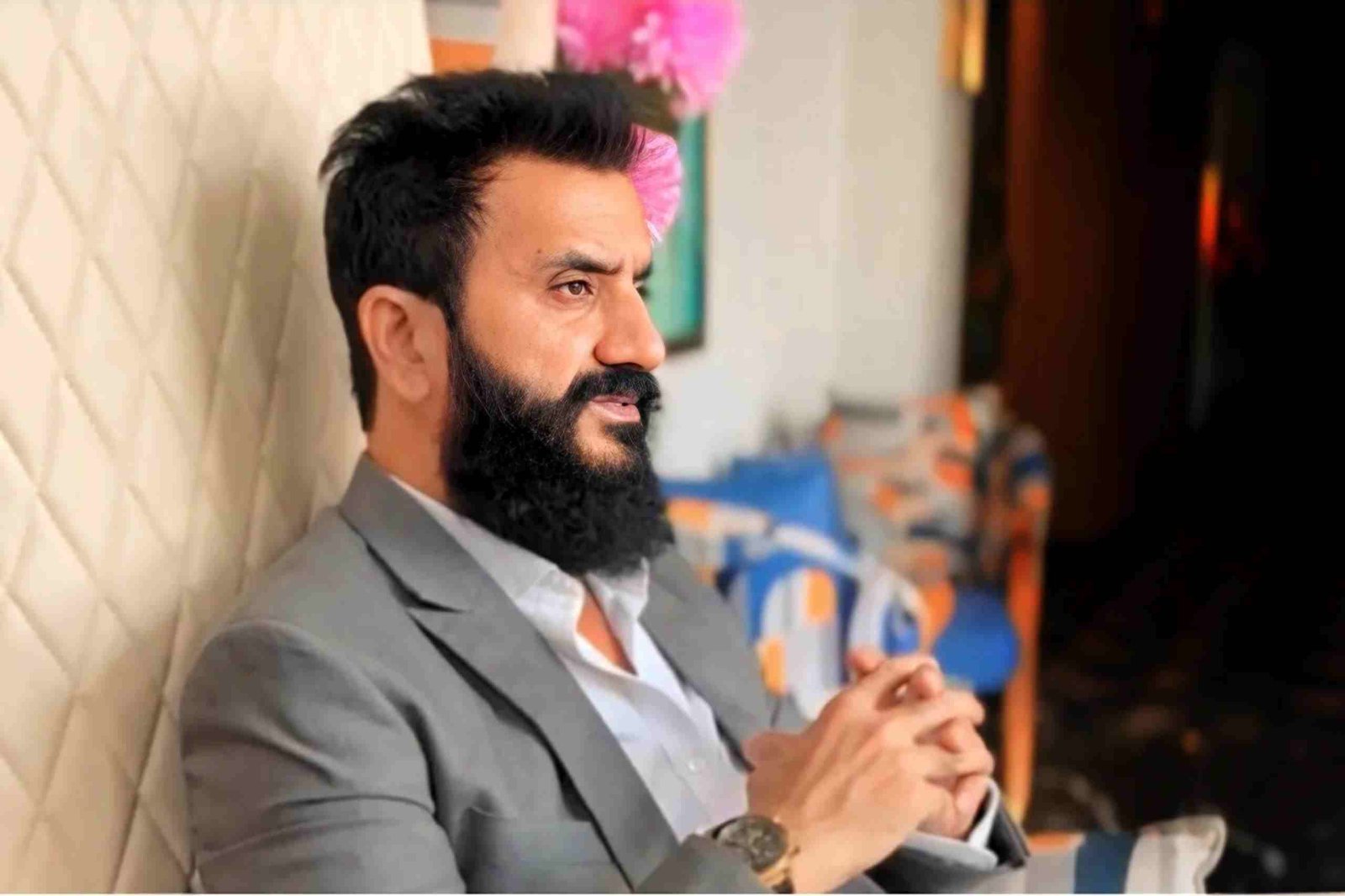
Sudheer Chauhan, Founder of Zodiac Gallop
Fig. 05 — The Founder Plate IX

Training

Indian Council of Astrological Sciences

Gurugram · Jyotish Praveen + Jyotish Visharad

Research

Bharatiya Vidya Bhavan

Delhi · under K.N. Rao

Tradition

Vedic + Western

Parashari · Jaimini · Ashtakavarga

— Chapter IX —

Sudheer Chauhan

Horse Astrologer · Founder, Zodiac Gallop

"Talent can be trained. But destiny is revealed. For horses and humans alike."

Sudheer Chauhan trained as a Vedic astrologer in Gurugram and Delhi. He had no plan to work with horses. He went to Mumbai in his twenties to research the film industry. His friends took him to a race one Sunday and the question rearranged itself. He has stayed inside the racing world for the twenty years since.

The Horse Astro Technique took about four years to settle, calibrated against real race records. The first two horses he bought himself, on chart alone, won fourteen races between them. He does not bet on horses. He does not advertise the practice. The work is by referral and from a short list of stud farms and racing families.

"Money is already abundant. This is purely a story of pride."

— Chapter X —

The quiet vow.

A second life for the discarded

"The peace and happiness it would give me inside would nullify all those costs."

— Sudheer Chauhan, on a retirement home for racehorses

There is an old line in racing that a man shoots a lame horse because he cannot carry it forward. It is meant as a sentence about practicality. Every year, horses leave the track injured or simply unwanted. Some are sold on. Many are not.

Sudheer's long-standing intention, stated openly on the podcast, is to build a retirement home for the horses no one is coming back for. He has been honest that it will not pay for itself. He has said he hopes the owners who have profited from the readings over the years will join him in this when the time comes.

We include this here because it is the part of the work that does not pay. Clients have the right to know what kind of person they are commissioning.

As Featured On

His first time on record.

Sudheer's first podcast appearance, with journalist Sarvesh Mishra. The story of the early years in Mumbai, Laurus Pride and Titian, the Pune stud farm with Jorawar, and how the HAT Theory came together. Told in his own words, in Hindi.

Episode № 001 · Sarvesh Mishra Show

"How to go from Billionaire to Trillionaire? — with Sudheer Chauhan, Expert Horse Astrology."

Format

Long-form interview

Language

Hindi

Subtitles

Auto, English

Watch on YouTube →

— Also referenced in —

Indian & international press

Time Business News
Business Outreach
The Hans India
APN News
ZeeNews
BW Businessworld

— Chapter XI —

The Journal

Browse full archive

What is horse astrology, and how does it work?

+
A horse's birth chart is cast from the exact time, date and place of foaling. Read carefully, it shows temperament, stamina, and how the horse is likely to behave under pressure. Owners, breeders and trainers use the reading to decide what to buy, what to keep, and what to put into hard training.

Why should I get a horoscope for my horse?

+
A reading tells you what the horse will probably be good at. Some are built for short sprints, some for the longer distance, some for stamina races. A few are simply not built to win, and it is better to know that early. The reading lets you plan training, entries and breeding around what the horse actually has, not what the bloodline promises.

Can birth chart analysis help with choosing a champion horse?

+
Yes, and that is most of the work. Out of fifty or five hundred yearlings at a stud farm, only a handful are usually capable of winning at the top level. The chart helps you find those few before training money has been spent, before injuries, before disappointment. This is the central use of the HAT framework.

Who benefits from horse astrology?

+
Stud farms, owners, and trainers, mostly. Stud farms use it for selection across a season's foals. Owners use it before buying. Trainers use it to figure out which horse in their string is worth the harder work. Punters are welcome to read about the work but our consultations are with the racing side.

Do you need the exact birth time of the horse?

+
Yes. The exact time matters. Twenty minutes off and the chart can shift enough to change the answer. Date and place of foaling are also required. Stud farms increasingly keep these records; if yours does not, the trainer or vet on duty usually does.

Can horse astrology be used for young foals?

+
Yes. The chart is set at birth and reads the same a week later or a year later. Early readings are particularly useful because you can plan training and feeding around what the horse is built for. We have read for foals just weeks old and for horses already in their second racing season.

What is HAT theory in horse astrology?

+
HAT stands for Horse Astro Technique. Sudheer developed it over about four years of testing, starting in 2004. It combines Vedic astrology methods (Parashari, Jaimini, Ashtakavarga) with race-record analysis. The output is a usable performance projection. The framework has been compared against more than 300,000 thoroughbreds and their actual race outcomes worldwide.

Is the service available internationally?

+
Yes. We work with clients across the USA, the UK, the UAE, Australia, Canada and South Africa, in addition to all the major Indian centres. Readings are delivered remotely. Consultations happen by video, or in person at the racecourse when Sudheer is travelling.

When is the best time to get astrology done for a horse?

+
As soon after foaling as you can. The birth details are most accurate then, and the planning value is highest. That said, the chart reads the same at any age. Older horses commonly come to us for timing consultations before specific races, or for a fresh look mid-career.

Why choose Zodiac Gallop?

+
Twenty years of work, only ever on racehorses. The same person reads every chart. The framework has been tested against more than 300,000 real birth records and outcomes. The first two horses Sudheer ever bought on this method, both rejects, won fourteen races between them. That track record is the simplest reason. The other reason is that he says no to horses he doesn't think can win, which most consultancies will not.

— Coda —

Your champion is already born.
The reading tells you who he is.

To begin, write to Sudheer with your horse's birth details. He will reply with what the reading will cover and how long it will take. Most reports are delivered inside three weeks.